
By Quoracy Editorial Team
Long before modern management gurus penned bestselling books on executive leadership, organizational design, or span of control, a Midianite priest named Jethro delivered what might be history’s first documented management intervention.
Found in Exodus 18, this ancient exchange between Moses and his father-in-law presents a timeless diagnostic of operational failure and offers a blueprint for organizational scaling that has reverberated across three millennia—shaping Jewish jurisprudence, Christian ecclesiology, military command structures, and modern corporate enterprise.
The Genesis of Burnout: Exodus 18
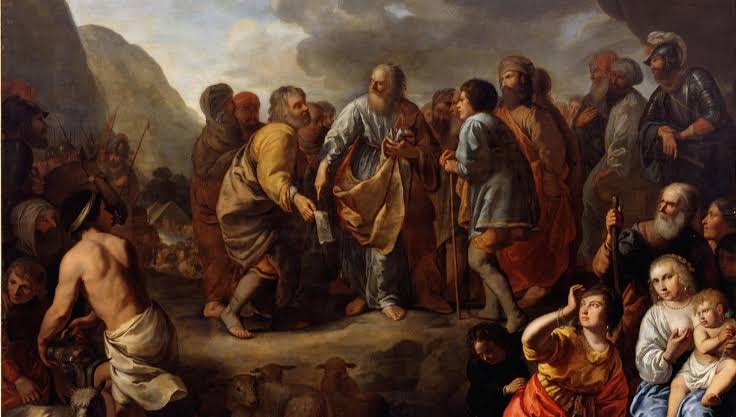
When Jethro visited Moses in the wilderness after the Exodus from Egypt, he observed a scene all too familiar to modern startup founders and overworked executives. Moses sat as the sole judge over an entire nation, adjudicating every dispute from dawn until dusk.
Jethro’s assessment was swift and blunt:
“What is this thing that you are doing for the people? Why do you alone sit as judge, while all the people stand around you from morning until evening? … What you are doing is not good. You and these people who come to you will only wear yourselves out. The work is too heavy for you; you cannot handle it alone.”
— Exodus 18:14, 17–18
Moses was suffering from classic Founder’s Syndrome: single-point-of-failure vulnerability, operational bottlenecking, and imminent leader exhaustion.
Jethro proposed a four-part restructuring framework:
- Focus on Core Executive Mandates: Moses would act as the mediator between the people and God, focusing on teaching the core laws and setting overarching strategy.
- Define Leadership Criteria: Select capable leaders who were trustworthy, God-fearing, and possessed high integrity (Exodus 18:21).
- Establish a Tiered Hierarchy: Create structured bands of authority—appointing leaders over thousands, hundreds, fifties, and tens.
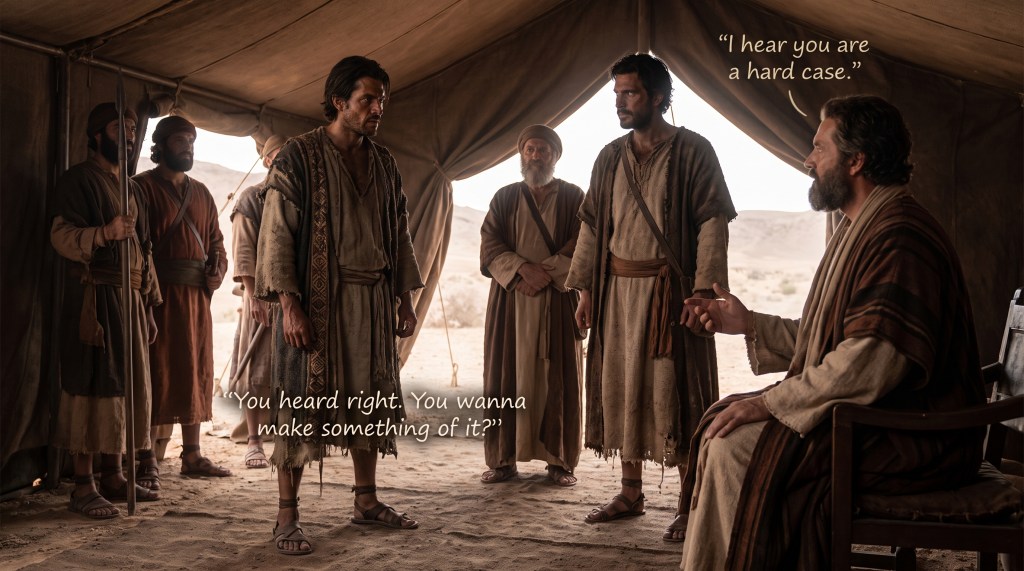
- Implement Management by Exception: Lower-level leaders resolved standard disputes; only complex, precedent-setting “hard cases” were escalated to Moses.
Moses accepted the advice, creating a decentralized operational engine that preserved his energy and established social order.



You must be logged in to post a comment.