Poland is booming—and we’re ready to welcome you! 🇵🇱✨
The Economist just called Poland a growth engine of Europe, and there’s never been a better time to experience its momentum firsthand. Whether you’re visiting for business or leisure, there’s no better way to see this dynamic country than from the ground up—by car, through its scenic landscapes and vibrant cities.
At Agroletnica, we’re more than just an inn. Nestled at the edge of the Zielonogórski Ridge, surrounded by peaceful forests and stunning views, we serve as your threshold to Poland. Conveniently located between Poland and Western Europe, we offer unmatched value in hospitality, making us the perfect stop on your journey.
Whether you’re an entrepreneur exploring new opportunities or a traveler seeking Poland’s natural beauty, Agroletnica is your home along the way.
📍 Join us for a stay that sets the tone for your Polish adventure. Poland is open for business—see it for yourself!
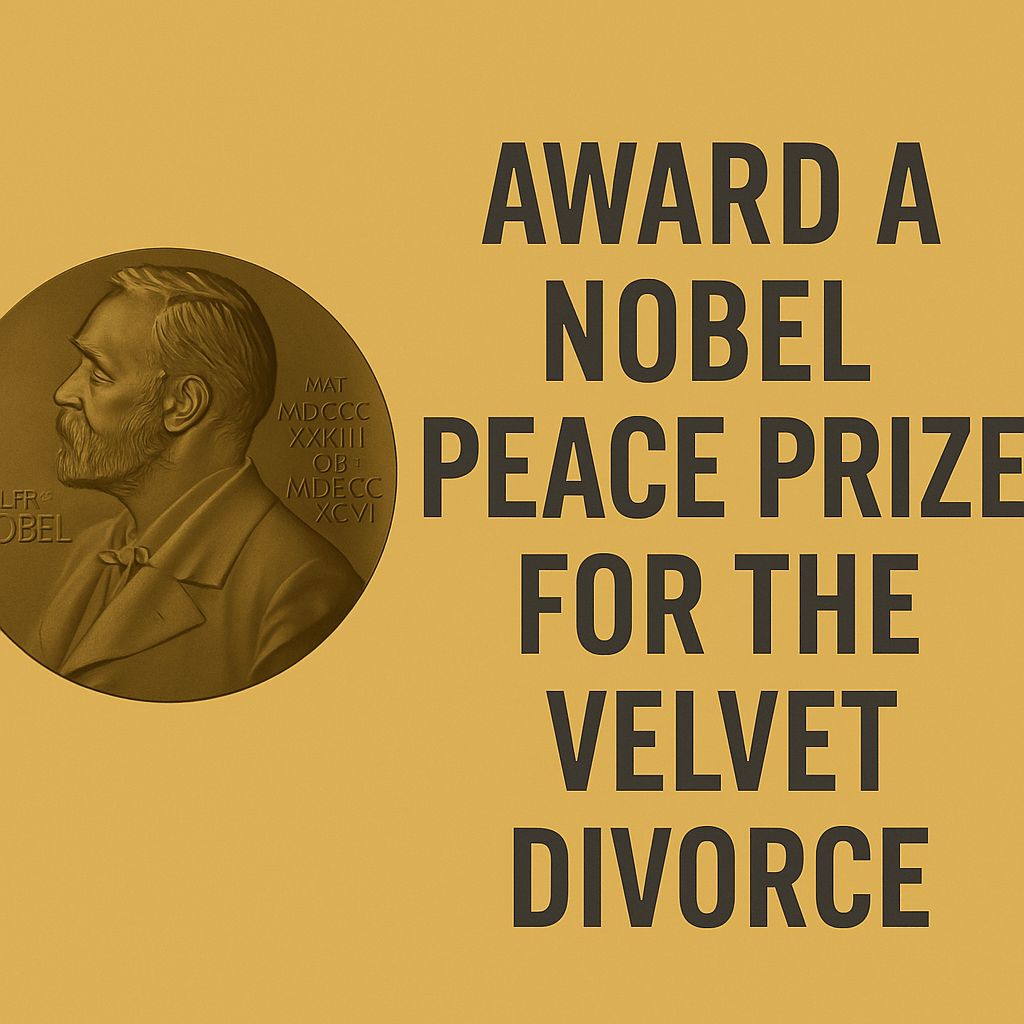
When nations divide, it is often marked by conflict, hostility, and prolonged instability. Yet in 1993, Czechia and Slovakia achieved something extraordinary—their Velvet Divorce was a model of peaceful, diplomatic separation.
Despite its success, the architects of this historic moment—Václav Klaus and Vladimír Mečiar—were never recognized with the Nobel Peace Prize. In failing to honor their achievement, the international community has overlooked one of the finest examples of nonviolent resolution in modern history.
Why the Velvet Divorce Matters Today
The peaceful separation of Czechoslovakia was not merely a technical agreement. It was a bold diplomatic feat, proving that nations can change course without resorting to war. The lessons from CzeSK remain deeply relevant, especially as the world grapples with territorial disputes in places like Ukraine, where divisions remain sharp. Had the global community insisted on a structured, diplomatic separation rather than war, Ukraine might have had a different path forward—one that avoided the destruction we see today.
A Late but Necessary Nobel Recognition
More than 30 years have passed since the Velvet Divorce, but it is not too late to correct history. A retrospective Nobel Peace Prize for Klaus and Mečiar would elevate their achievement as a model for the future, reinforcing the idea that conflict can be avoided through careful negotiation, mutual respect, and structured separation.
A precedent exists—historical recognitions have happened before. A Nobel awarded for the Velvet Divorce would be unprecedented, but it would also be a sign of humility from the Nobel Committee—acknowledging a missed opportunity and reigniting conversation about diplomatic solutions to modern crises.
How to Make It Happen
We can bring this idea to the forefront by:
Starting petitions to formally request Nobel recognition.
Encouraging discussion among scholars, diplomats, and policymakers.
Highlighting the relevance of peaceful separation in ongoing conflicts.
The world needs more diplomatic solutions and fewer wars. Honoring the Velvet Divorce is a step toward ensuring history remembers the value of peace before conflict ever begins.

 Quoracy Consulting & Publishing
You must be logged in to post a comment.